DEPARTMENT OF TRANSFUSIOLOGY AND MEDICAL PLASMAPHERESIS
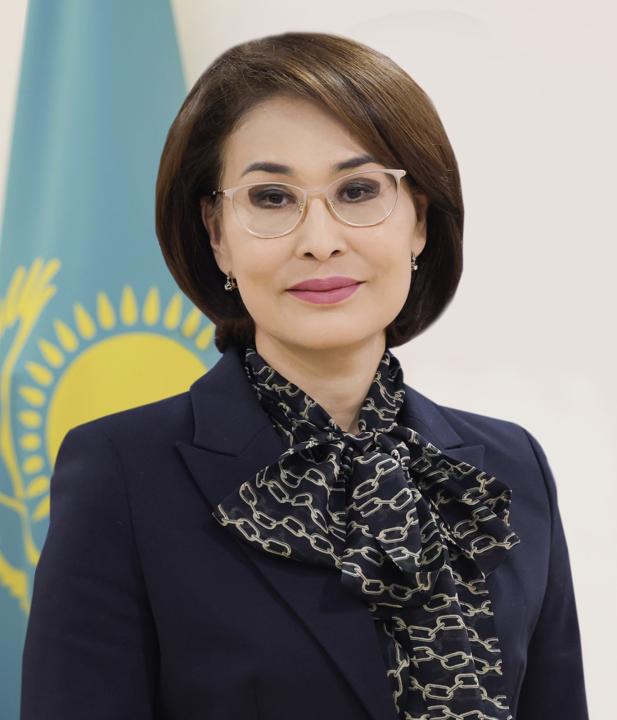
Isaeva Aliya Varlenovna
Head of Department
Highest category doctor
The Blood transfusion department has been operating since 1969. At that time, it was engaged in blood harvesting and its functions included meeting the needs of the regional hospital and the districts of the region, and, in addition, determining group and Rhesus affiliation. The credit for its discovery belongs to Abdullaev Sh.N. For a long time, only medical staff worked here.Kapralova's sister L.M. After the opening of the Regional Blood Center, the department began to harvest blood components only to meet the needs of its hospital.
In 1986, instead of whole blood, the department switched for the first time to the procurement of components. The Defense industry was engaged in working with donors until 2001, when the regional medical center was opened and the regional blood center was relocated to its territory. Until 2001, the functions of the defense industry, in addition to the procurement of blood components, included the storage and delivery of hemodynamic and protein blood substitutes to the departments.
At the moment, the defense industry complex has been renamed the transfusiology cabinet. It keeps records of all infusion and transfusion therapy according to the OMC, blood samples are taken for hemolysis, blood components are stored and delivered from the BCC, delivered to specialized departments, the correctness of filling out medical documentation is checked, the validity of the appointment and the correct dosages of the blood used. Since 1998, therapeutic plasmapheresis has been performed by the staff of the transfusiology office. In 2006, the determination of blood group and Rhesus affiliation by the method of monoclonal antibodies (zoliclones) was introduced, and since 2008, the entire OMC has completely switched to this method as a more informative one. In 2015, an even more accurate and progressive method of gel serology of blood groups was introduced in the final examination of recipients, which, among other things, makes it possible to detect anti-erythrocyte antibodies and prevent unwanted complications in blood recipients. This method is performed for all patients before the upcoming transfusion and is currently being determined around the clock in the clinical diagnostic laboratory. In addition, using this method, laboratory confirmation of the compatibility of donor and recipient blood is carried out.
The staff of the office conducts classes with doctors and secondary medical staff of the mobile, as well as provides methodological assistance to clinical departments on transfusiology, conducts scheduled inspections and certifications of employees.
In 1998, for the first time in the region, 4 sessions of therapeutic therapeutic plasmapheresis were conducted here, and since then the number of its sessions has been steadily increasing. Currently, about 2,000 procedures are performed per year. In just over 28 years of its use, more than 50,000 sessions have been conducted in more than 7,000 patients.
Currently, the transfusiology room is located on the 3rd floor of a typical multidisciplinary hospital. There are 2 rooms for therapeutic plasmapheresis, an operating room for determining the group and Rh blood type, 2 rooms for storing transfusion media, and utility rooms. By order of the Minister of Health of the Republic of Kazakhstan, a 24-hour post has been introduced to dispense blood components to departments. A plasma defrosting device has been put into operation, along with "inline" heaters for transfusion solutions.
Our contacts:
+7 (7242) 23-51-50
+7 (7242) 23-52-78
+7 (7242) 23-51-96
Internal numbers 178